

Laboratory
Data Migration
Move legacy lab data without losing the structure, lineage, and auditability your teams depend on.
Moving legacy data is easy. Preserving what it means is harder.
Formats, relationships, history, and audit trails can break when legacy records move without careful mapping and validation.
Lost context
Critical context and history can disappear between systems.
Broken lineage
Links between samples, results, and records can break.
Validation debt
Missing checks and documentation delay trust in the new system.
Operational disruption
Poor migration planning slows teams and puts ongoing work at risk.
From legacy records to trusted, traceable data
Map, validate, and reconcile fragmented records into one clean, audit-ready platform.
Segments we serve
Across the biotech
& life sciences ecosystem

Run more studies across clients without multiplying manual coordination.
Talk to an Expert

How We Migrate
Laboratory Data
A structured process for moving lab data safely, preserving integrity and traceability, and keeping systems reliable through cutover.
We assess your source systems and data landscape.
We review existing records, formats, and system dependencies before planning the migration.
- Source system review
- Data volume analysis
- Dependency mapping
segments we serve
Across the biotech
ecosystem

Deep Biotech Expertise
Less time explaining how scientific work operates. More time solving the right problem.

Operational Scalability
Systems designed to support growth without multiplying manual coordination.

Workflow-Centered Design
Built around real laboratory work, not generic software assumptions.

Compliance-Ready Architecture
Traceability, validation, and audit readiness built in from the start.
Experience with regulated systems. Software architecture and development practices designed around the requirements of GDPR, HIPAA, 21 CFR Part 11 and GxP / GAMP 5.
Explore Related Solutions

FROM OUR EXPERTS
Insights from our
life sciences software experts
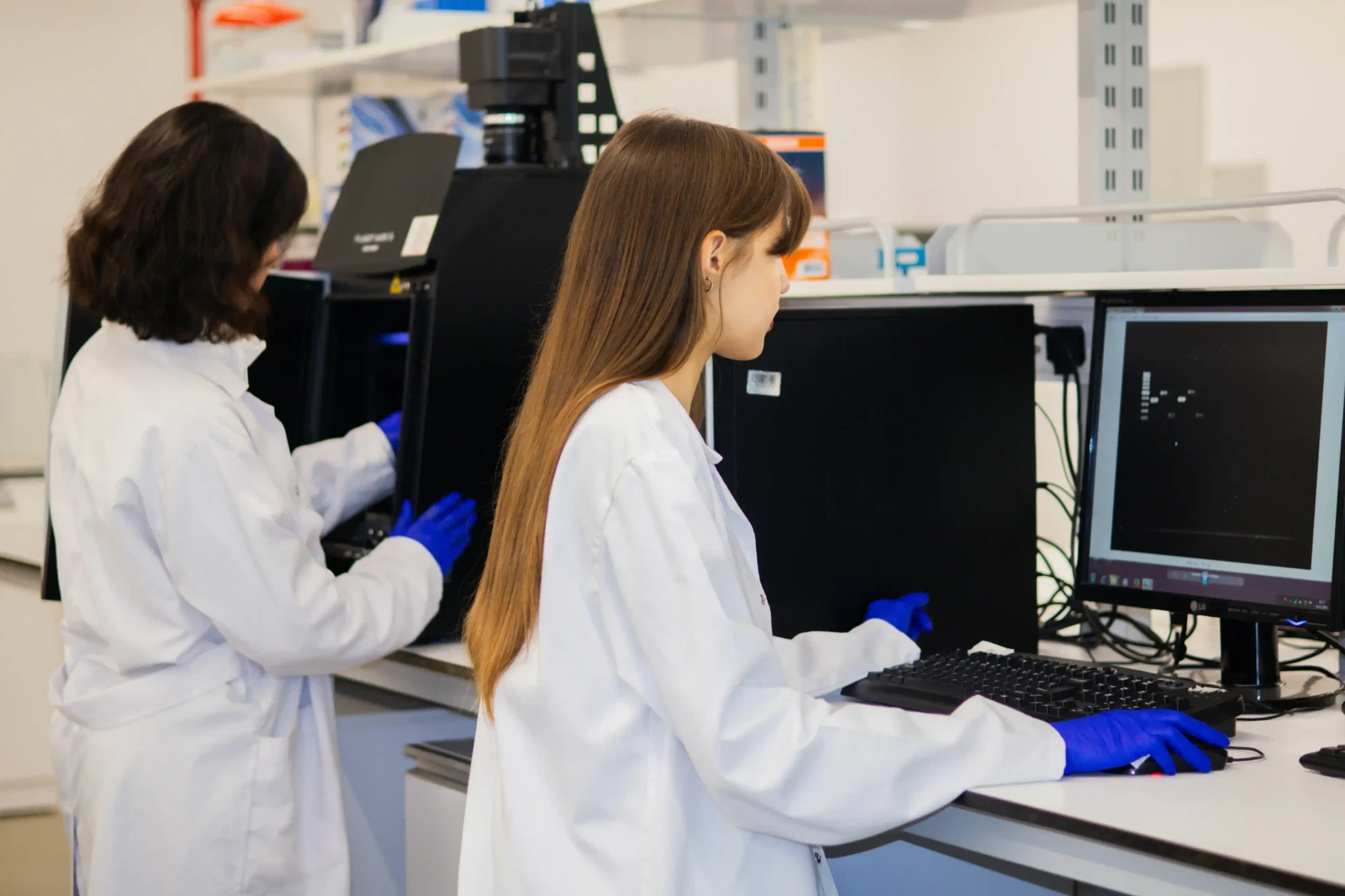
Lab software data lock-in and the cost of leaving

How to choose between lab management software options
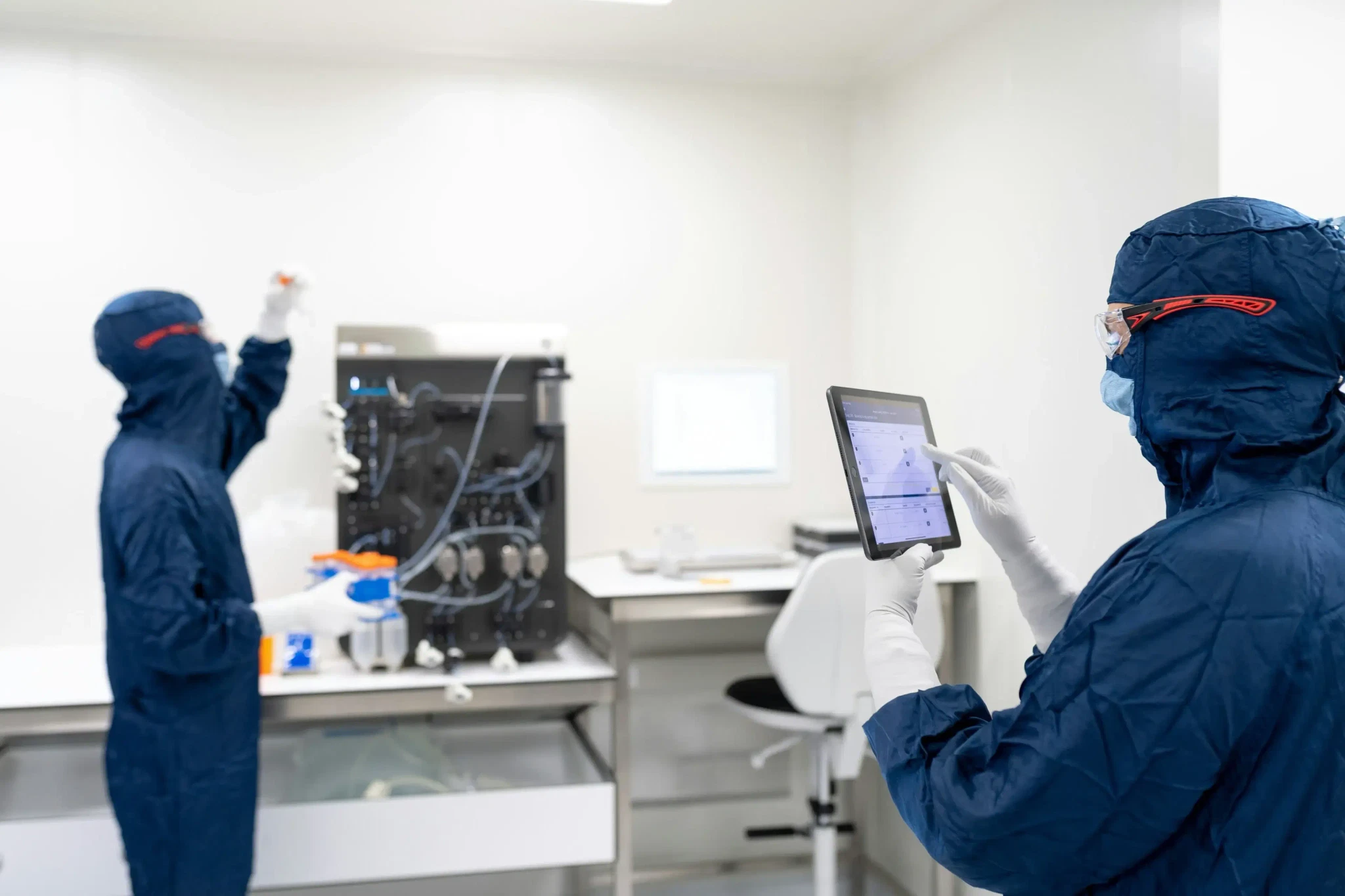
Which lab integrations save time (and which just sound cool)
Building software for modern biotech teams.
Let's review your workflows and identify opportunities for automation, visibility and compliance.