

The global biotechnology market is growing from $2.79 trillion in 2026 toward a projected $9.06 trillion by 2035, and the software layer underneath it has moved from a back-office concern to something that shows up in audits and in Series B diligence reviews. That layer covers custom LIMS development, ELN development, internal laboratory tools, and the data pipelines that tie everything back to instruments and outside systems. Pick the wrong biotech web development services partner and you end up with compliance gaps and data integrity problems that are expensive to unwind once they surface.
Part 1: Why biotech web development requires specialised expertise
Life sciences software development runs into constraints that commercial web work does not. Regulations like FDA 21 CFR Part 11, EU GMP Annex 11, ISO 17025, and HIPAA set specific requirements for how data has to be captured, stored, traced, and made available for audit, and those requirements push into system architecture from the earliest design conversations. Teams without experience in regulated environments usually hit them partway through a project, and by that point they land as unplanned scope that is difficult to absorb cleanly.
Data management is the other half of the same problem. A 2022 industry survey by TetraScience and Pharma IQ found that bench scientists spend 49% of their time on manual data retrieval, cleansing, and transformation when laboratory software does not consolidate information across instruments and workflows. Fragmented data is a real risk during regulatory inspections, because complete and traceable records are expected across the full chain of experimental activity and the burden of producing them falls on the lab.
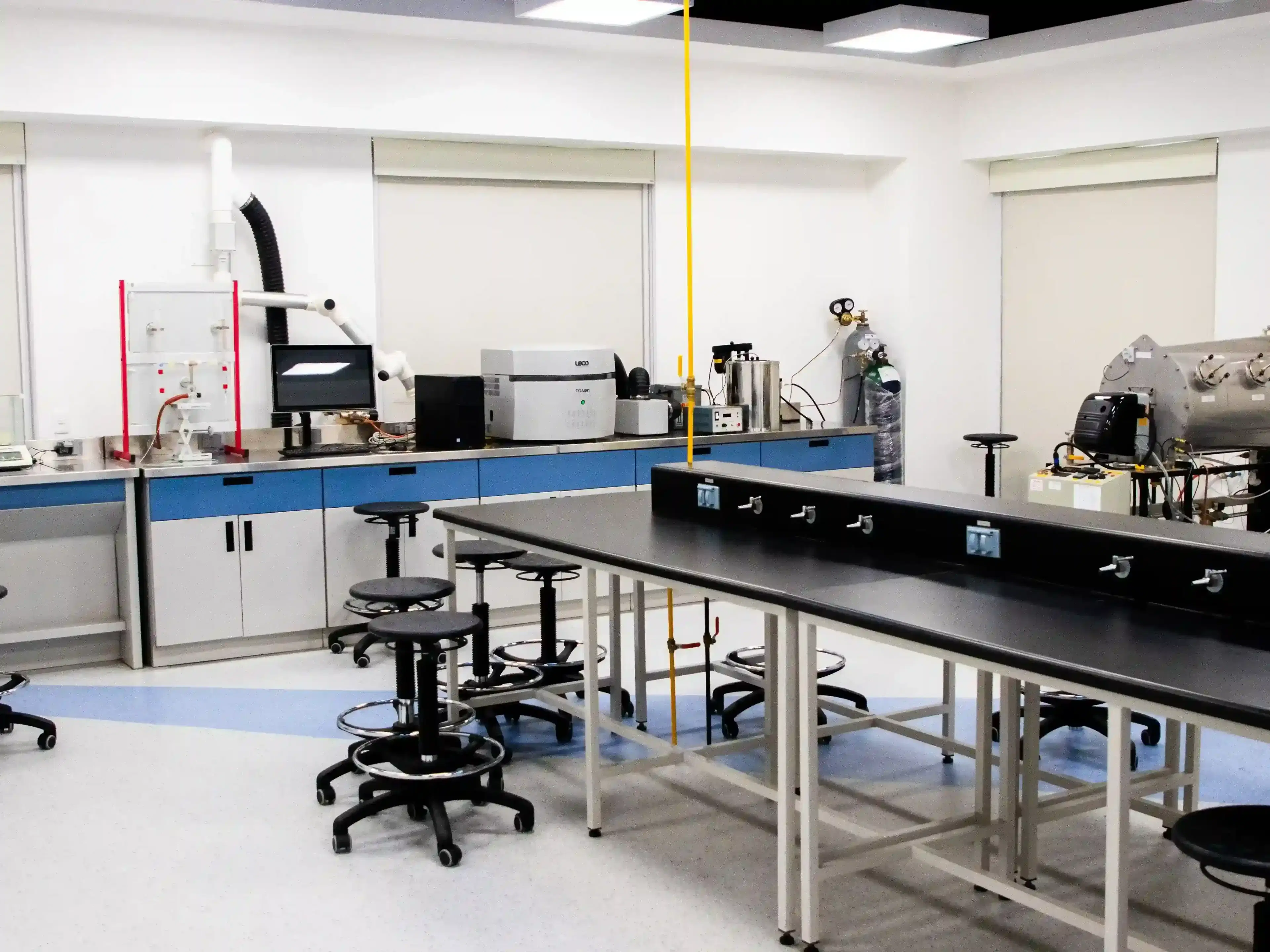
Labs keep getting more digital, and that changes what partner selection actually looks like. By 2025, approximately 81% of laboratories had adopted Electronic Lab Notebooks, up from 66% the previous year, and 74% of biopharma organisations surveyed by BioProcess International reported that digitalisation was a major part of their ongoing work. New software in that environment has to connect to existing LIMS, ELN, MES, and QMS systems, which makes a biotech web development company's experience inside real laboratory data environments just as important as raw technical capability.
The global lab automation market is projected to reach $18.39 billion by 2033, up from $8.27 billion in 2024, a CAGR of 9.3%. Organisations that invest in compliant, interoperable laboratory software now will have less friction adopting new instruments and connecting to external partners as that market expands.
Part 2: Common errors when selecting a biotech web development company
A common mistake is using procurement criteria built for commercial software. Things like hourly rate, portfolio volume, technology stack, and team size miss the one thing that usually decides whether a custom biotech software project actually works in a regulated environment, which is domain knowledge. A team without prior lab software experience needs time to absorb the scientific and compliance context before they can do real technical work, and the architecture decisions made during that early learning period tend to be the ones that are hardest to unwind later.
The related problem is assuming technical proficiency translates into domain readiness. It does not, at least not on the timeline most projects need. Good engineers who can also reason about laboratory workflows, instrument data formats, sample chain-of-custody requirements, and how scientific documentation feeds audit trails are rare, and that shortage is usually invisible until the project is already underway. When teams hit those details mid-build, scope changes and timeline extensions tend to follow.
Post-launch engagement tends to be underweighted during partner evaluation. Lab software lives in environments that keep changing: regulations update periodically, workflows shift with the science, infrastructure grows with the organisation, and instrument stacks turn over. When a biotech web development agency's involvement stops at deployment, you lose the institutional knowledge needed to keep those systems current, and rebuilding that knowledge through a new vendor later is expensive and carries real transition risk.
Part 3: Evaluation criteria for a biotech web development company
The most reliable indicator of a biotech web development company's suitability is a documented history of compliance delivery. That means specific examples of projects run under FDA, ISO 13485, EU MDR, or HIPAA requirements, along with validation artifacts like IQ/OQ/PQ protocols and evidence of having walked clients through regulatory software reviews. Teams that have delivered compliant LIMS, ELN, or laboratory web application systems before have usually built audit trail design, change control documentation, validation planning, and risk assessment into their standard delivery process. When that machinery is in place from the beginning, projects move through regulatory review more predictably and budgets hold up better against surprise validation work at the back end.
Scientific domain knowledge deserves a similarly direct look. There is a real difference between life sciences software development partners who recognise laboratory software categories at a conceptual level and partners who have actually sat with scientists and operations teams inside working laboratories. The second type of partner is worth more by a wide margin, because they arrive at requirements conversations already knowing what the implicit constraints are likely to be, and they catch edge cases that clients do not think to raise. A few targeted questions about workflow types, data model design for experimental results, integration approaches for common instruments, and how method updates get reflected in the software will usually show which category a prospective agency falls into.
Communication structure and process maturity matter more than people usually expect. Projects like this span scientific, compliance, technical, and commercial stakeholders, and a partner who cannot hold precision as information moves between those groups will lose details that end up mattering later. Asking how a partner handles requirements documentation, manages scope changes, keeps non-technical stakeholders informed, and decides when to escalate tradeoffs will tell you most of what you need to know about what the working relationship will feel like.
Timeline estimation deserves particular scrutiny. Compliance documentation, validation testing, laboratory instrument integration, and organisational change management all add time to biotech software projects relative to comparable work in less regulated contexts, and partners with real experience in the space build that time into their plans from the start, usually with some reasoning attached. When a proposed timeline sits suspiciously close to what a general software agency would quote for similar technical scope, that is usually a sign the regulatory and integration work has not been accounted for yet.
A useful question to ask any prospective biotech web development services provider during evaluation: "Describe a project where the software you built went through a regulatory review or audit." The depth and specificity of the answer tells you more about real compliance experience than any portfolio summary will.
Part 4: Questions to ask before signing
Before signing a biotech web development contract, a structured evaluation should cover the following:
- Which specific regulatory frameworks have you implemented, and can you share validation documentation from a previous LIMS, ELN, or laboratory web application project?
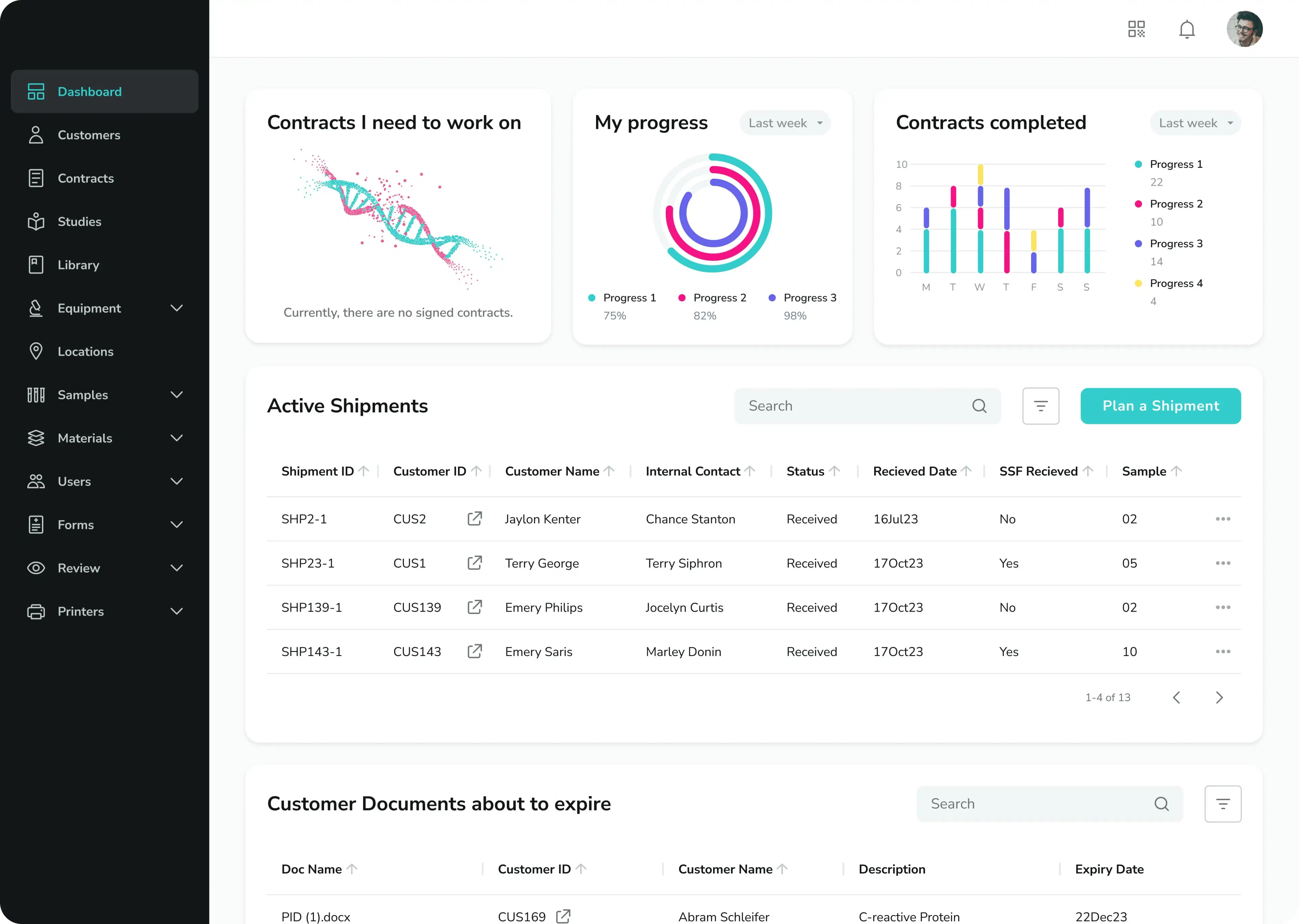
- Describe your experience with custom LIMS development and ELN development. What laboratory workflows have you built software to support?
- How do you approach integration with existing laboratory instruments and data management systems?
- How do you manage scope and priority changes when experimental outcomes shift project requirements mid-build?
- What does your post-launch support model include, and how have you handled regulatory updates that affected previously deployed systems?
- Describe a project that encountered significant delivery challenges. What occurred and what was your response?
The point of these questions is to move past generic capability claims and into the practical territory where biotech software projects actually succeed or fail.
Conclusion
Choosing a biotech web development company is a decision that plays out across the entire operational life of the software. Deloitte's 2025 Life Sciences Executive Outlook reports that nearly 60% of life sciences executives plan to increase gen AI investment across the value chain, with biopharma AI investments projected to generate up to 11% in value relative to revenue and some medtech companies projecting up to 12% cost savings of total revenue from AI implementation within two to three years. As laboratory software becomes more central to research speed and regulatory standing, the team that builds and maintains it carries more weight on the organisation's performance year over year. Teams that take the time to vet compliance experience, domain knowledge, delivery process, and post-launch engagement before signing a contract tend to end up with software that holds up over the long run.
Evaluating a biotech web development company? CodePhusion works with biotech and life sciences companies on custom LIMS development, ELN development, laboratory data infrastructure, and internal lab tooling. If you are evaluating biotech web development services for a project or would like help defining technical requirements before going to market, .
Frequently Asked Questions
Does a biotech company need a specialised biotech web development company, or can a general software firm develop the required domain knowledge over the course of a project?

Domain knowledge matters, and a partner earns it by having already delivered biotech software, not by picking it up mid-project. Biotech web development spans scientific workflows, instrument data formats, regulatory frameworks, and audit expectations, and that context shapes architecture decisions early in a build. A general firm can write clean code, but the judgement that prevents rework and compliance gaps lives in teams that have already shipped similar systems. The weight of that background scales with the regulatory complexity of the environment.
How long does a biotech web development project take?
Compliance-ready custom LIMS and ELN development projects typically run between 6 and 18 months from initial discovery to validated deployment. Where a project lands within that range depends on scope, how many integrations are needed, how much validation documentation is required, and how many stakeholder groups are part of user acceptance testing. Projects with formal IQ/OQ/PQ validation, broad UAT coverage, integration with multiple instruments, and significant change-management work sit at the upper end.
What do biotech web development services cost?
Initial build costs for custom LIMS or ELN development at a single laboratory site typically fall between $150,000 and $500,000. Multi-site deployments or projects with extensive data pipeline integration run higher than that range. Organisations should budget an additional 10 to 15% of initial build cost annually for maintenance, regulatory updates, ongoing support, and platform upgrades.
What compliance frameworks should a biotech web development company be familiar with?
The applicable frameworks depend on the organisation's regulatory context. FDA 21 CFR Part 11 governs electronic records and electronic signatures in FDA-regulated environments. EU GMP Annex 11 covers computerised systems used in pharmaceutical manufacturing under European regulations, and ISO 17025 is the relevant framework for testing and calibration laboratory accreditation. HIPAA comes in whenever a system processes personal health information, and organisations working across jurisdictions usually have to satisfy more than one of these at once.
What is the difference between biotech web development and general web development?
General web development is focused on marketing sites, ecommerce platforms, content systems, and similar consumer-facing or B2B applications. Biotech web development covers custom laboratory software, web-based LIMS and ELN systems, instrument integrations, and data pipelines that have to operate under FDA, EMA, ISO, or HIPAA constraints. The categories overlap on the technology side, but they diverge sharply on compliance obligations, validation workload, integration complexity, and audit readiness.
References
- Biotechnology Market Size to Surpass USD 9.06 Trillion by 2035 - Precedence Research
- 2022 State of Digital Lab Transformation Industry Survey - TetraScience and Pharma IQ
- Modern Biotech Lab Automation and AI - IntuitionLabs
- Reimagining the Future of Biopharmaceutical Digitalization - BioProcess International
- Lab Automation Market Size, Share and Trends Analysis - Grand View Research
- 2025 Life Sciences Executive Outlook - Deloitte
Last updated: April 21, 2026