

Custom LIMS software is a laboratory information management system built around your lab's specific workflows rather than bought as a finished product. Building one makes sense when a commercial system cannot fit how your lab works, and it is the wrong call when a product already covers the job. This guide is about telling the difference without overspending.
This call shapes how your lab runs for years, and unwinding it later is expensive. We build custom lab software for biotech and life sciences labs, so we lean toward building, but we will be straight about when buying wins.
The 3 ways to get a LIMS
Build versus buy is three paths, not two. Off-the-shelf, configurable, or fully custom, and skipping the middle option is where a lot of decisions go wrong.
| Dimension | Off-the-shelf | Configurable platform | Custom build |
|---|---|---|---|
| Best for | Standard workflows that fit the product | Workflows that change as the science settles | Unique workflows or software as a differentiator |
| Time to production | Weeks to a few months | A few months | Six to twelve months or more |
| Upfront cost | Low | Moderate | Higher build, lower ongoing licensing |
| Workflow flexibility | Limited to vendor options | High within the platform's model | Full control of the data model |
| Lock-in risk | High | Moderate | Low. You own the system |
Signs you should buy off the shelf
Off-the-shelf LIMS is the right answer far more than custom vendors like to admit. If your workflows are standard, a commercial product covers them and you are running in weeks instead of months.
Buy off the shelf when:
- Your sample types and assays are common and match how other labs in your field already work.
- Getting to a running system counts for more than a perfect fit.
- You do not have the budget or the appetite to own software for the long term.
A small lab that needs sample tracking, results capture, and an audit trail, with nothing unusual, pays for complexity it will never use if it commissions a build.
Signs a configurable platform fits
The middle path is a configurable platform, a commercial product where you build your own workflows on a vendor-maintained foundation. You get more flexibility than an off-the-shelf system without the cost and timeline of a custom build.
It fits when your workflows are still moving and you need to change assay templates, sample types, and process steps yourself without a service contract behind every change. For an early-stage biotech it is the right starting point, and our guide to choosing a LIMS for biotech startups covers how to evaluate one. The catch is that you still work inside the platform's data model and do not control its hosting, pricing, or roadmap.
Signs you should build a custom LIMS
A custom build earns its cost in a narrower set of situations. Build when one of these holds:
- Your workflows cannot be configured in an off-the-shelf system, because you handle unusual sample types, run processes vendors have not modeled, or connect instruments and systems in ways no product supports.
- Your team has cycled through one or two commercial platforms and hit the same ceiling each time, which means the problem is the fit and the next purchase will hit it too.
- Lab software is part of how your company competes, so owning the system and its roadmap is worth more than the convenience of a subscription.
A contract research organization whose service depends on its lab platform is the clearest case, where the software is the product and not a back-office tool.
The hidden cost of forcing off the shelf to fit your lab
The standard build versus buy math leaves out the cost of a poor fit, and that is where off-the-shelf decisions go wrong. When a commercial system cannot model your workflow, the work does not stop, it moves into spreadsheets beside the LIMS, manual re-entry between systems, and workarounds every new scientist has to learn.
That shadow process has a price. It breaks the traceability the LIMS was meant to give you, eats scientist time that should go to the bench, and creates the data integrity gaps an auditor looks for. The other cost is lock-in. The deeper a commercial system sits in your operation, the harder it is to leave, and the vendor controls your schema, your export options, and your renewal pricing. We cover what that exit costs in our piece on lab software data lock-in. A custom build is not automatically better, but a forced fit is rarely as cheap as the sticker price suggests.
Where open source LIMS fits
Open source LIMS is a fourth option, popular with budget-conscious labs weighing it against commercial products. You get the source code and no licensing fee, which appeals when cost is the main constraint.
The savings are smaller than they look. You take on hosting, configuration, validation, and maintenance, and support is community-based unless you pay for a commercial tier. For a lab with in-house engineers and standard workflows, that trade works well and gives you control without a full custom build. For a regulated lab without software staff, the time to run and validate the system can cost more than a commercial subscription. Open source works when you have the engineering capacity to own it, and traps you when you do not.
What a custom LIMS build looks like
A custom build is slower to start. Expect six to twelve months to a first working system covering core sample tracking and documentation, and longer for full coverage. A phased approach that ships a usable core early and adds modules over time lowers risk and gets scientists onto the system sooner than one big release at the end.
Compliance does not change the decision, it changes the work. If your lab generates data for FDA submissions, the system has to meet 21 CFR Part 11 for electronic records and signatures, and heavier GxP rules apply once you reach clinical manufacturing. A custom build can meet all of this, but you own the validation, so scope it in from the start.
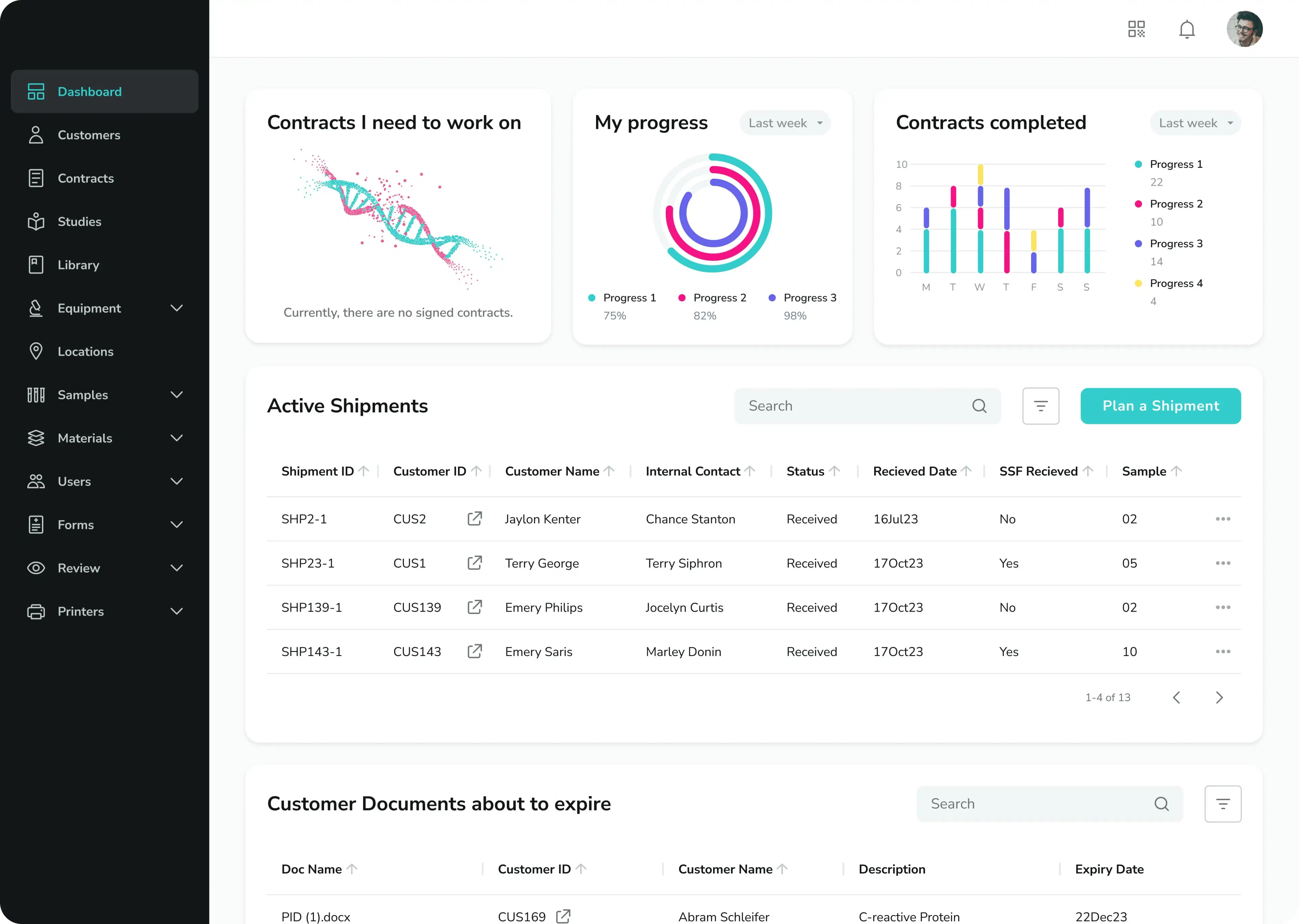
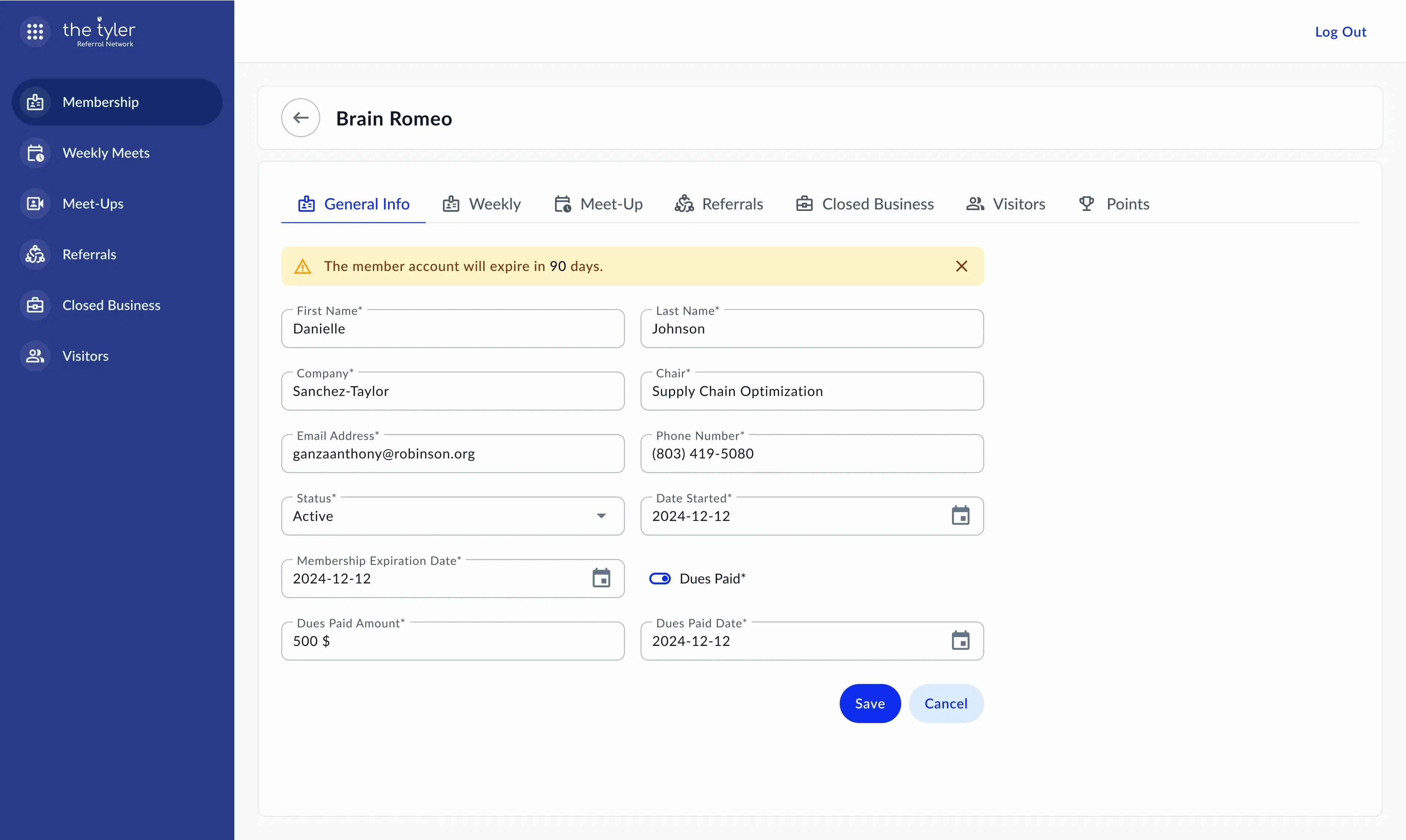
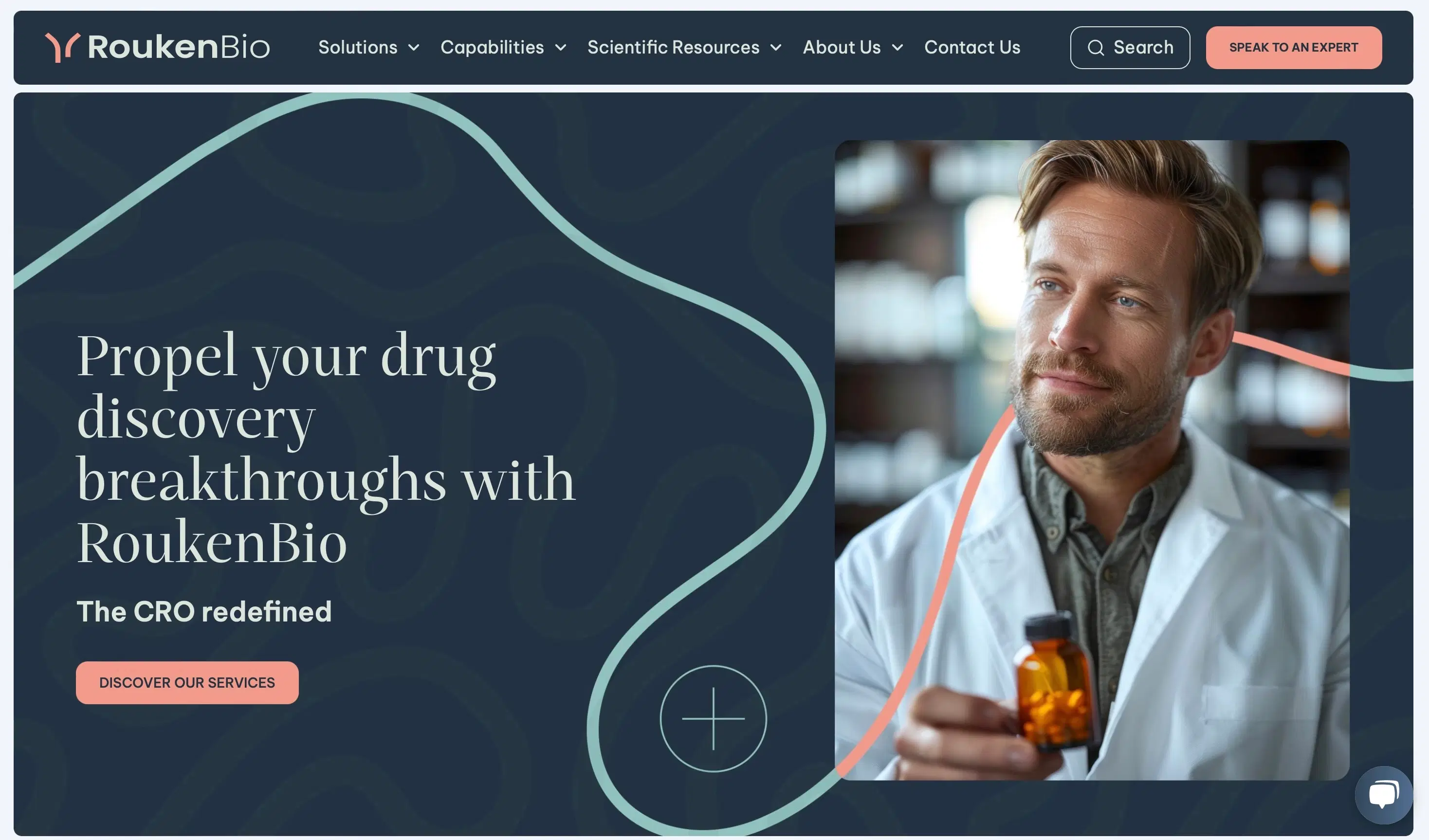
One of our clients, RoukenBio, is a contract research organization in the UK with more than 100 employees. They were running on a mix of outdated lab systems and manual processes that scattered data across silos and made version control and traceability hard to hold. We built them a custom LIMS that pulled twelve-plus operational areas into one platform, covering versioned documentation, sample and shipment tracking, equipment scheduling, study lifecycle management, inventory, and audit trails with role-based access. The build ran three years from proof of concept through MVP to full rollout, and the system now supports more than 100 users across departments. The full RoukenBio case study has the detail.
Conclusion
Buy off the shelf when your workflows are standard and speed comes first. Use a configurable platform when the science is still moving. Build custom when no product fits, when you have outgrown commercial systems, or when lab software is how you compete. Look at open source when you have engineers to own it.
The decision gets easier once you compare total cost over five years, not sticker prices, including the price of a poor fit. Map your real workflows first, then pick the path that fits them, not the demo.
Weighing build versus buy for your lab? Start with the RoukenBio case study to see what a custom LIMS build looks like in practice, then about whether building or buying fits your workflows and budget.
Frequently asked questions
What is custom LIMS software?

Custom LIMS software is a laboratory information management system built around a specific lab's workflows rather than bought as a finished product. The lab owns the data model, the feature set, and the roadmap, whether it builds in-house or with a partner. It is the right path when a commercial system cannot fit the lab's work, and the wrong path when an existing product already covers it.
Is it cheaper to build or buy a LIMS?
Buying is cheaper upfront, with a known subscription price and a faster path to production. A custom build costs more to create but carries lower ongoing licensing and removes the lock-in cost of a vendor controlling your schema, pricing, and roadmap. Compare total cost over five years, including the price of forcing an off-the-shelf system to fit a workflow it was not designed for.
When does it make sense to build a custom LIMS?
Build when your workflows cannot be configured in an off-the-shelf system, when you have cycled through one or two commercial platforms and hit the same ceiling each time, or when lab software is part of how you compete rather than a back-office cost. If a configurable platform can cover the work, that is the faster and cheaper choice.
Is open source LIMS a good alternative to a custom build?
Open source LIMS removes licensing fees and gives you the code, which suits labs with in-house engineering and standard workflows. It is not free in practice. You take on hosting, configuration, validation, and maintenance, and support is community-based unless you pay for a commercial tier. For a regulated lab without a software team, it can cost more in staff time than a commercial subscription.
How long does a custom LIMS take to build?
Expect six to twelve months to a first working system covering core sample tracking and documentation, and longer for full coverage. A phased build that ships a usable core early and adds modules over time lowers risk and gets scientists on sooner than a single large release.
Last updated: June 19, 2026