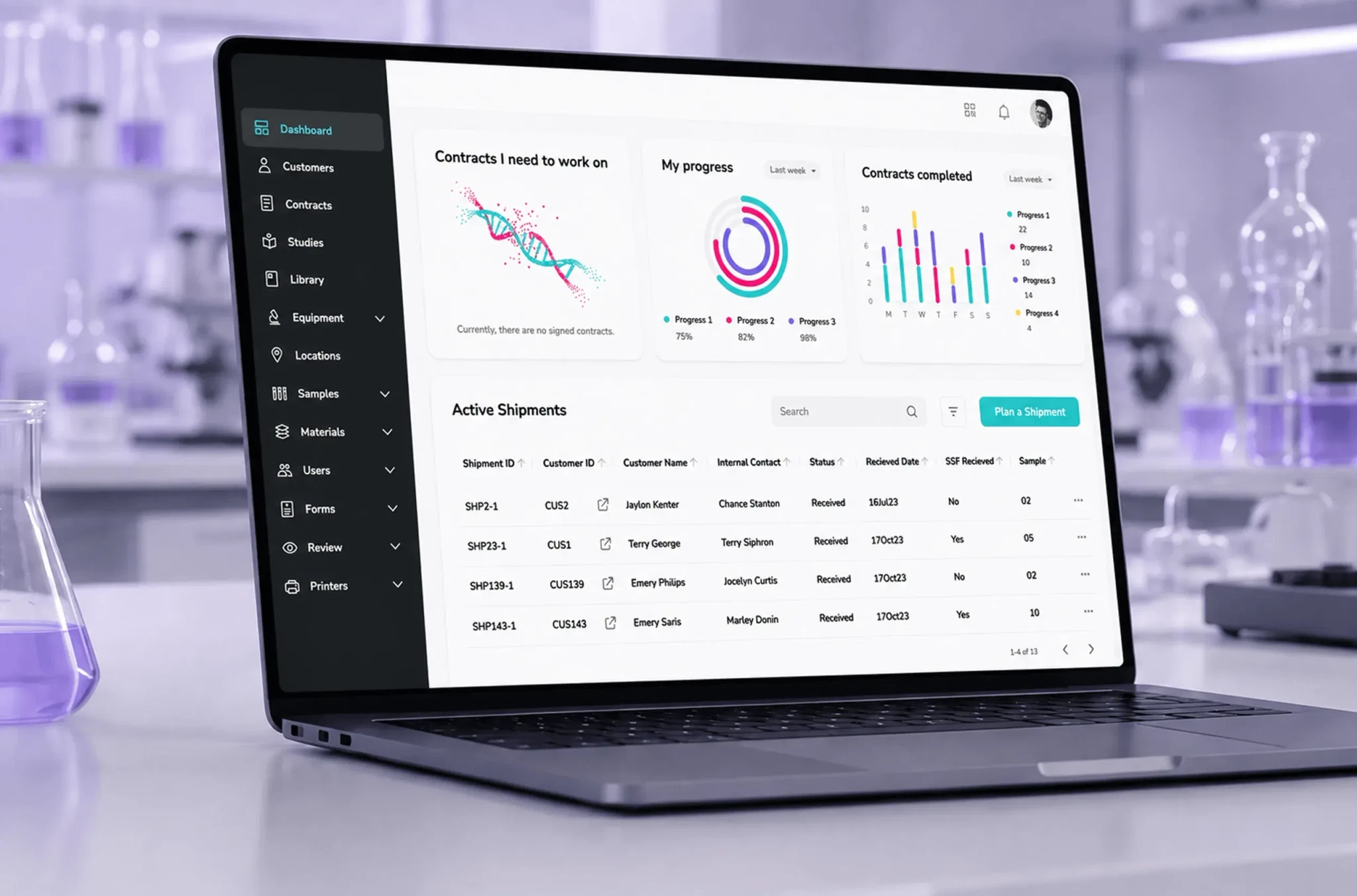
The system was built as one monolithic application. As the user base grew, it became slower and harder to maintain, and a security audit found further problems.
Slow Booking Engine
Performance problems were worst in the booking engine and the event management modules.
Long Load Times
Users waited, and administrators dealt with slow screens and unstable deployments.
Manual Deployments
Releases depended on manual steps, which slowed the in-house team down.
Audit Findings
The security audit found configuration gaps and inconsistent infrastructure management.
We joined the client's engineers with architecture experience, AWS integration and extra development capacity. Together we set four goals: better performance, no manual deployment steps, a fix for every audit issue, and infrastructure that scales with demand.
We moved the core services to AWS Lambda behind API Gateway, so the backend scales automatically with demand and no longer pays for idle capacity. Every resource is defined in Terraform, which makes environments easy to copy, version and audit.
Serverless Backend
Core services on AWS Lambda behind API Gateway, scaling automatically with demand.
Amplify Frontend
A preview for every feature branch, one-click rollbacks and a global CDN.
Terraform Infrastructure
Every API, function, IAM role and Amplify app defined as code.
Cognito Sign-In
One identity system for admins, organisers and participants, with role mapping and token-based access.
CI/CD Pipeline
CodeBuild runs builds and tests, and CodePipeline deploys to staging and production.
Performance Tuning
Database tuning for high load, faster Lambda cold starts and better timeouts and retries.
- Least-Privilege IAM
- Encryption in Transit
- Encryption at Rest
- Token-Based Access
- Infrastructure as Code
- Stricter Access Controls
Separate Staging and Production
Isolated environments with stricter controls, so every change is tested before it reaches users.
- 95% Less Deployment Time
- After deployments moved to the CodeBuild and CodePipeline pipeline.
- 0 Critical Vulnerabilities
- In follow-up security testing after the audit fixes.
The platform performs better under real use, and the in-house team releases in shorter cycles, so it spends more of its time on new features. The infrastructure has room to grow with the user base.
The client now runs its booking platform on infrastructure it can change safely and scale when demand grows. Our work with the in-house team continues after more than two years.